

L2. Financial Reporting
Accounting and Financial Reporting
edmundchung
L2. Financial Reporting
WHY? Effective financial reporting controls ensure that financial statements accurately reflect the organization's financial position, comply with regulatory requirements, and provide stakeholders with reliable information for decision-making.
HOW?
Segregation of Duties
- Final review and approval of financial reports are separated from the responsibility for their preparation.
- The preparation and approval of adjusting journal entries are performed by different individuals.
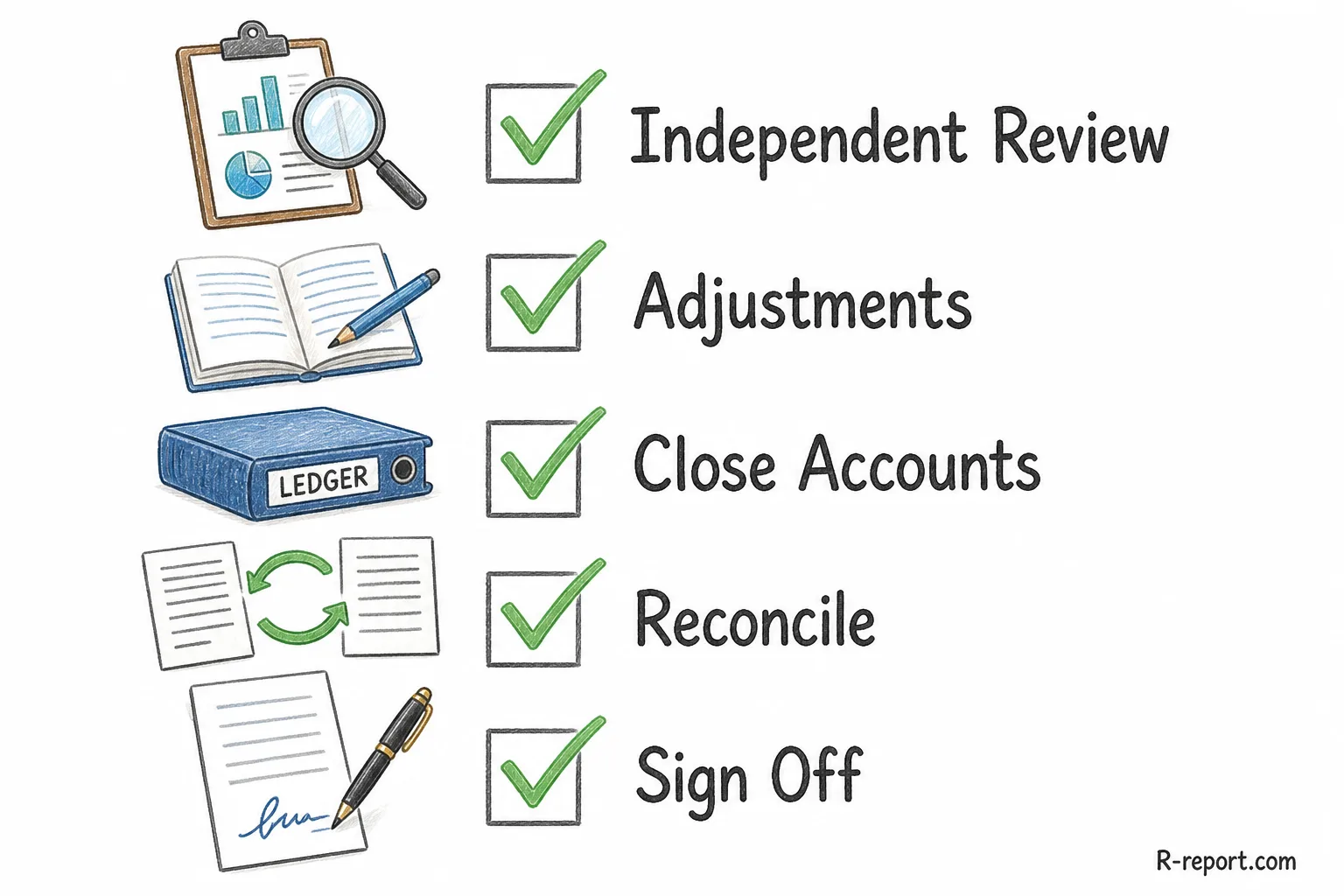
- Personnel responsible for closing accounts are independent of those preparing financial statements.
Review and Approval Controls
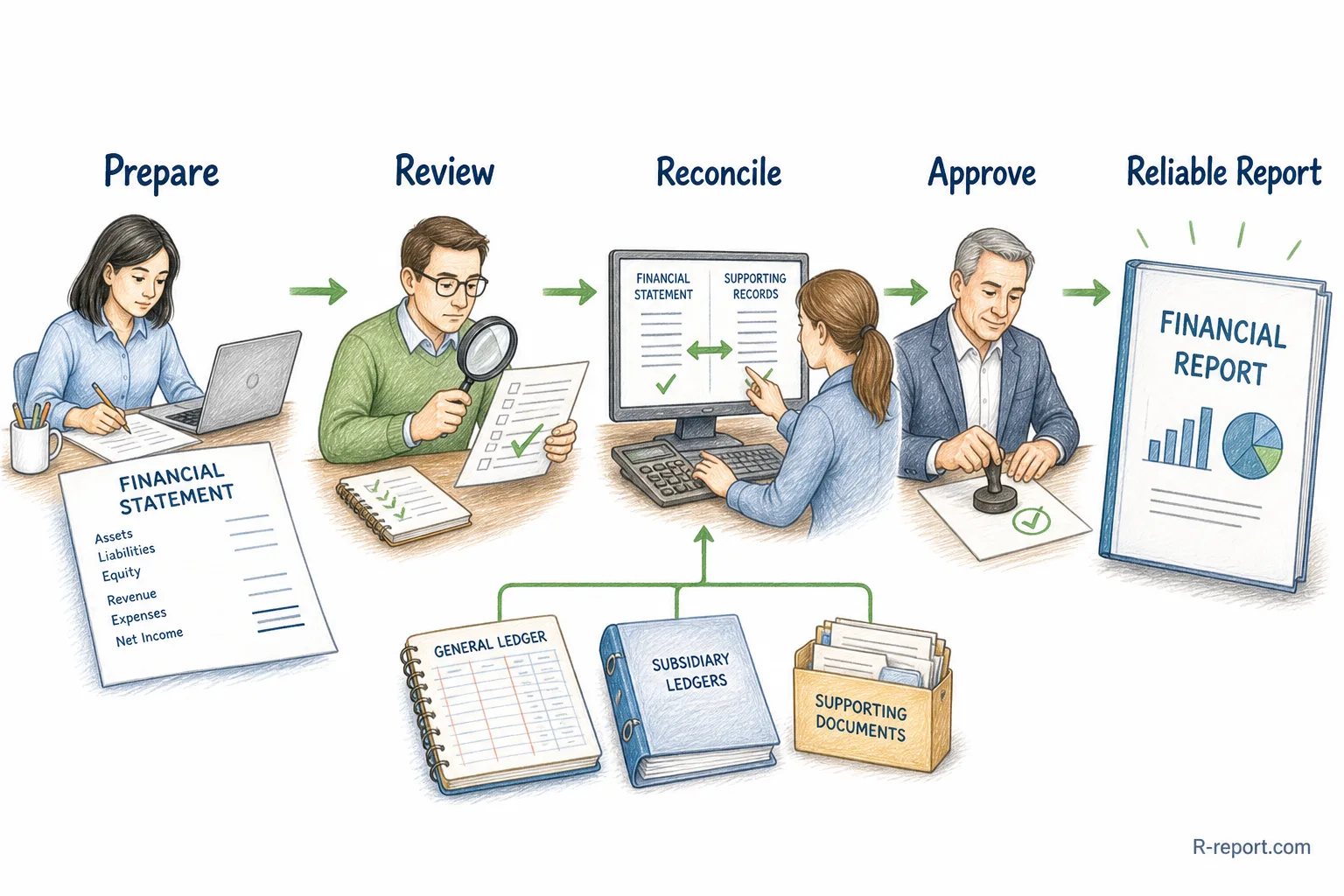
- Financial reports are reviewed and approved by appropriate levels of management before being publicly released.
- All journal entries are reviewed and approved by authorized individuals and supported by adequate documentation.
- Management regularly reviews estimates and adjustments (e.g., allowances, reserves) to ensure they are accurate and reasonable.
Combining and Consolidation Controls
- Procedures are in place for the orderly and accurate accumulation of financial data from various departments or entities.
- Financial data received from departments is reconciled and reviewed before inclusion in combined or consolidated reports.
Compliance and Disclosure Controls
- Financial statements and reports are prepared in compliance with applicable accounting standards (e.g., GAAP, IFRS) and regulatory requirements.
- Disclosure controls ensure that all required information is included in reports submitted to regulatory bodies and the public.
- Periodic filings (e.g., quarterly, annual) are completed on time, and any deviations from the filing schedule are addressed promptly.
Consistency and Accuracy
- Procedures ensure that financial reports are prepared consistently across reporting periods.
- Financial statements are reconciled with underlying accounting records to ensure accuracy and completeness.
Q&A
- Q1: How can independent reviews improve financial reporting?
- Q2: What are the benefits of a formal closing schedule?
- Q3: How do financial reporting controls help ensure compliance with regulations?
- Q4: Why is consistency important in financial reporting?
- Q5: What role do estimates play in financial reporting?
Financial Reporting
- Effective financial reporting controls ensure that financial statements accurately reflect the organization's financial position, comply with regulatory requirements, and provide stakeholders with reliable information for decision-making.
- Segregation of Duties — Final review and approval of financial reports are separated from the responsibility for their preparation.
- Review and Approval Controls — Financial reports are reviewed and approved by appropriate levels of management before being publicly released.
- Combining and Consolidation Controls — Procedures are in place for the orderly and accurate accumulation of financial data from various departments or entities.
- Compliance and Disclosure Controls — Financial statements and reports are prepared in compliance with applicable accounting standards (e.g., GAAP, IFRS) and regulatory requirements.