

L1. Accounting
Accounting and Financial Reporting
edmundchung
L1. Accounting
WHY? Effective accounting controls are essential to ensure the accuracy, completeness, and timeliness of financial data. These controls help in preventing errors, misstatements, and fraud, and support proper decision-making based on reliable financial information.
HOW?
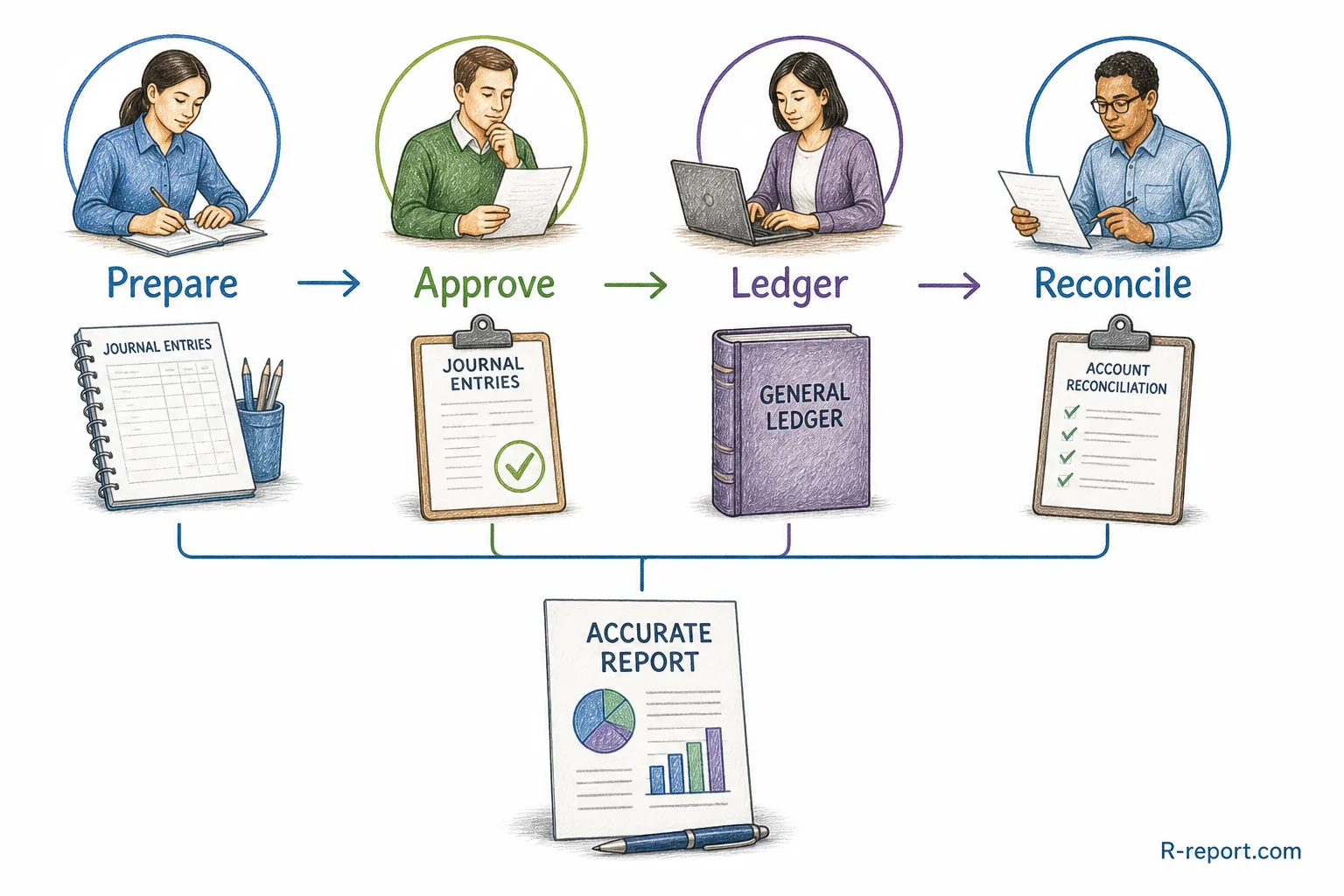
Segregation of Duties
- Responsibilities for general ledger maintenance are separate from those of subsidiary ledger control.
- Journal entry preparation is segregated from the approval function.
- Custody of assets is distinct from accounting responsibilities.
- Different personnel are assigned to review and approve financial reports from those preparing them.
- In electronic processing environments, separation of duties is maintained through system access controls.
General Ledger Controls
- Written procedures ensure that only authorized personnel can modify accounting principles or policies.
- A formal organization chart defines reporting lines and responsibilities, ensuring clarity in accounting functions.
- The principal accounting employee oversees accounting records at all locations.
- Regular reconciliations of the general ledger with subsidiary ledgers and other records ensure accuracy.
- Source documents (e.g., invoices, contracts) are maintained to provide an audit trail.
- The usefulness and reliability of internal financial reports are regularly evaluated.
- All journal entries are reviewed, approved, and documented with adequate descriptions or supporting documents.
Periodic Reviews and Reconciliations
- Monthly and quarterly reconciliations of accounts are conducted to ensure the accuracy of balances.
- Regular reviews of key estimates (e.g., reserves, allowances) are performed to ensure they reflect current conditions.
Closing Controls
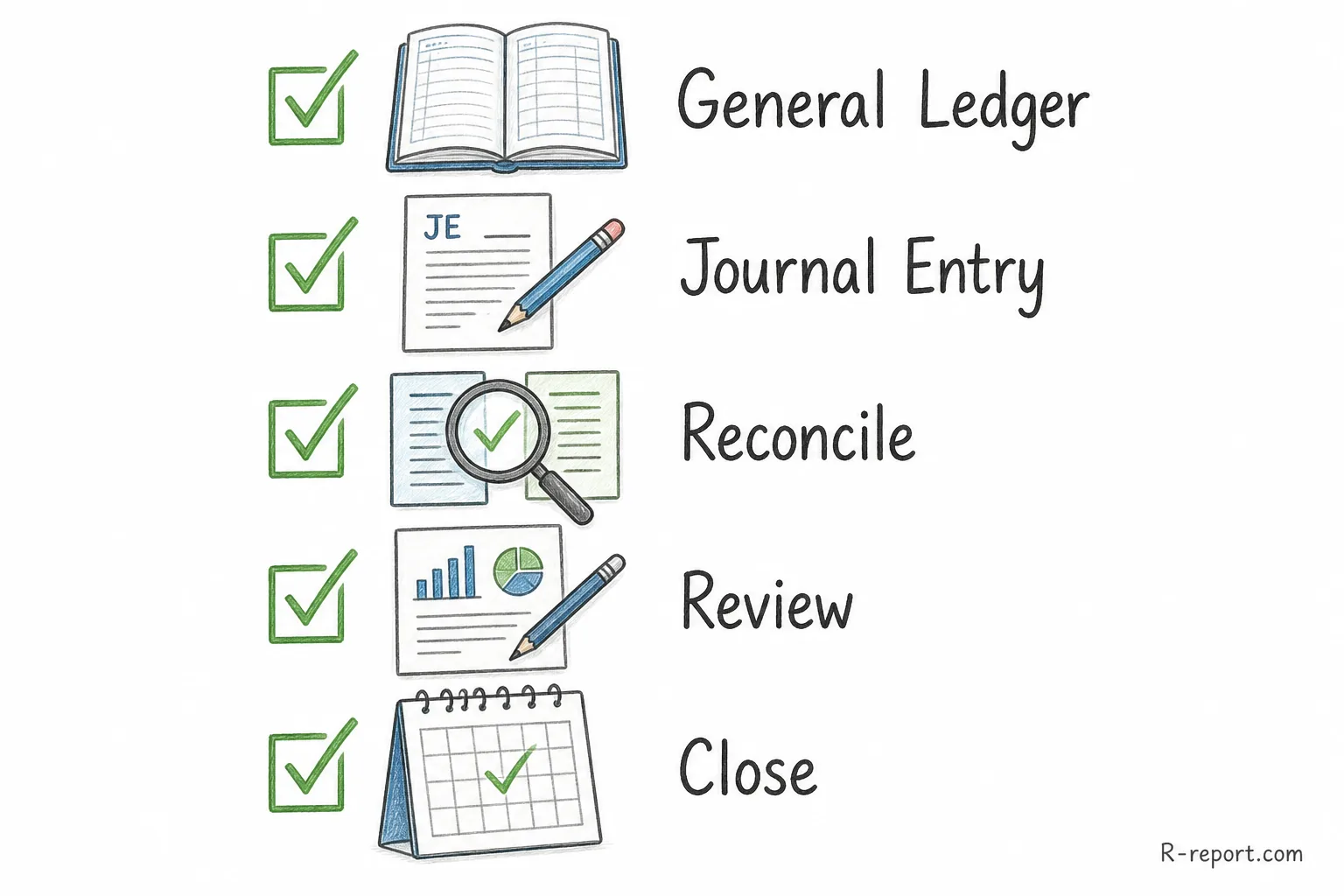
- Procedures for period-end closing ensure that all relevant transactions are recorded within the reporting period.
- A formal closing schedule is followed to ensure timely and orderly closing of accounts.
- Valuation reserves and key estimates are reviewed and approved during the closing process.
Q&A
- Q1: Why is general ledger control essential?
- Q2: How often should reconciliations be performed?
- Q3: What are the risks of inadequate accounting controls?
Accounting
- Effective accounting controls are essential to ensure the accuracy, completeness, and timeliness of financial data.
- Segregation of Duties — Responsibilities for general ledger maintenance are separate from those of subsidiary ledger control.
- General Ledger Controls — Written procedures ensure that only authorized personnel can modify accounting principles or policies.
- Periodic Reviews and Reconciliations — Monthly and quarterly reconciliations of accounts are conducted to ensure the accuracy of balances.
- Closing Controls — Procedures for period-end closing ensure that all relevant transactions are recorded within the reporting period.